
Cité Souterraine de Naours
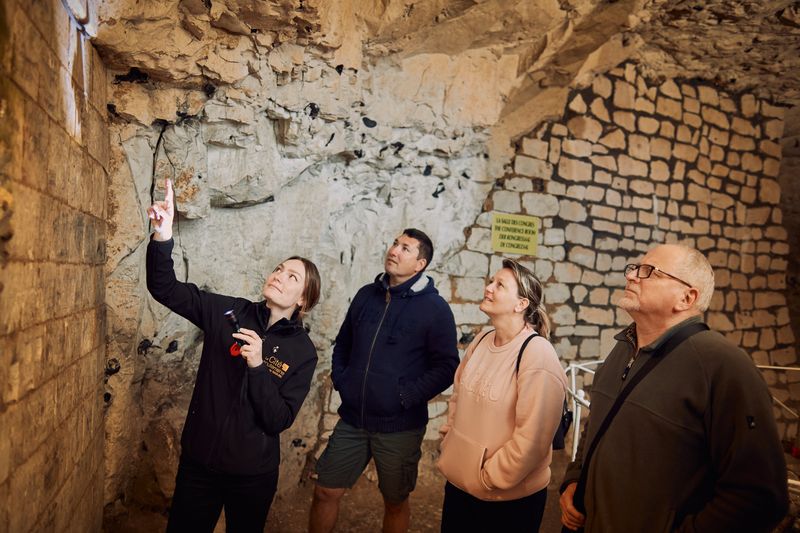
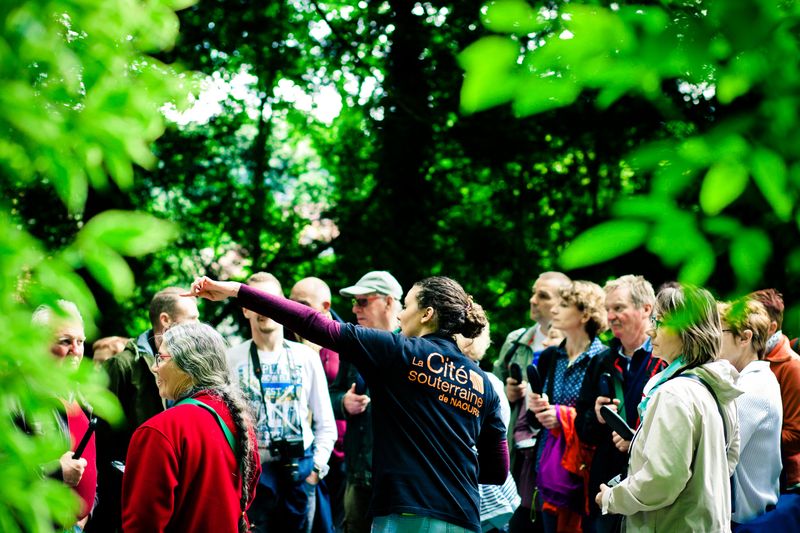
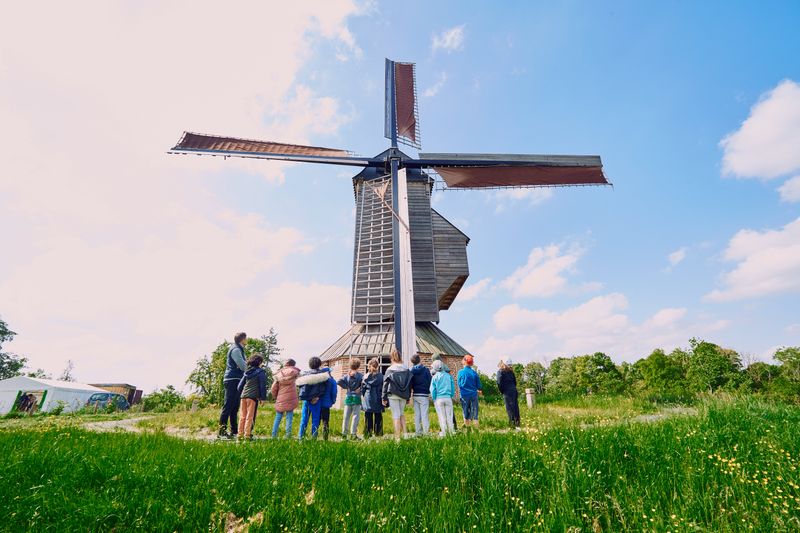
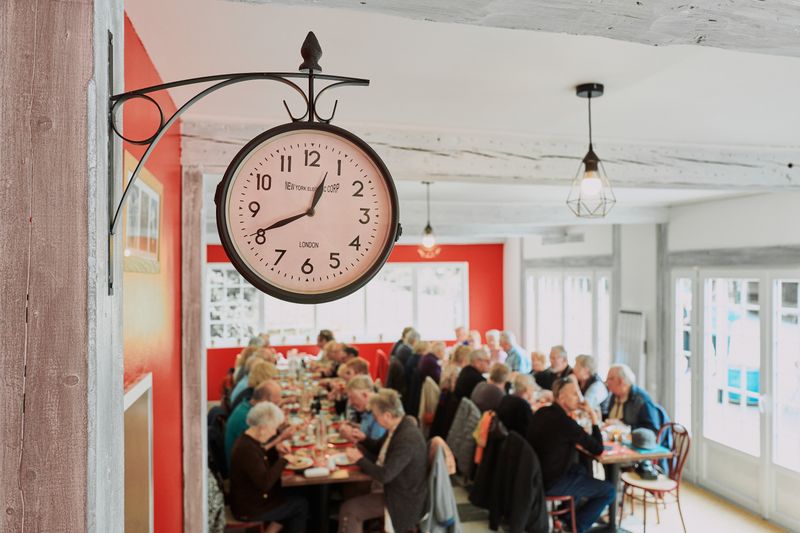
Originally a chalk quarry in the 15th century, then a refuge for the inhabitants since the 17th century, hence their nickname of Muches (hiding places in Picardy), a place for smuggling in modern times, a popular tourist site for Australians and Englishmen during the First World War, a passive defense for the German army during the Second World War, the Cité souterraine de Naours has stood the test of time and reveals its history. Come and discover this huge site carved out of the limestone of the Picard plateau, remarkably organized and recognized as one of the largest in Northern France. At the end of this network of galleries, extend your visit with a visit to the Museum of Old Crafts and Trades and the Great War Interpretation Center. The estate also features a 10-hectare wooded park with an adventure park, two windmills, farm animals, a children's playground and mini-golf. Finally, the Brasserie des Muches is open from 12pm to 2pm for lunch, and continuously throughout the day for snacks and drinks.
5 rue des Carrières
80260
NAOURS
Accrobranch - Underground city of Naours
In the heart of the historic Naours underground city park, escape in the air!
The park has 4 routes of increasing difficulty, or 50 workshops in total.
The crotch is located in the centre of the 10ha park of the estate, for a family time in the heart of nature. These journeys adapted to age and size and equipped with intelligent carabiners make it possible to welcome the whole family safely (from 5 years old). As a family or with friends, cross the various obstacles: monkey bridges, zip lines, suspended bikes, there is something for everyone!
The 10-hectare park is entirely wooded and offers many walking paths, farm animals and playgrounds for children.
Two covered picnic areas are available around the parking lot.
Support animals
Opening time
du mercredi au dimanche, de 10h à 17h
Public price
Adulte : €15.00Price with the pass
Adulte : FreeCentre d'interprétation - Cité souterraine de Naours
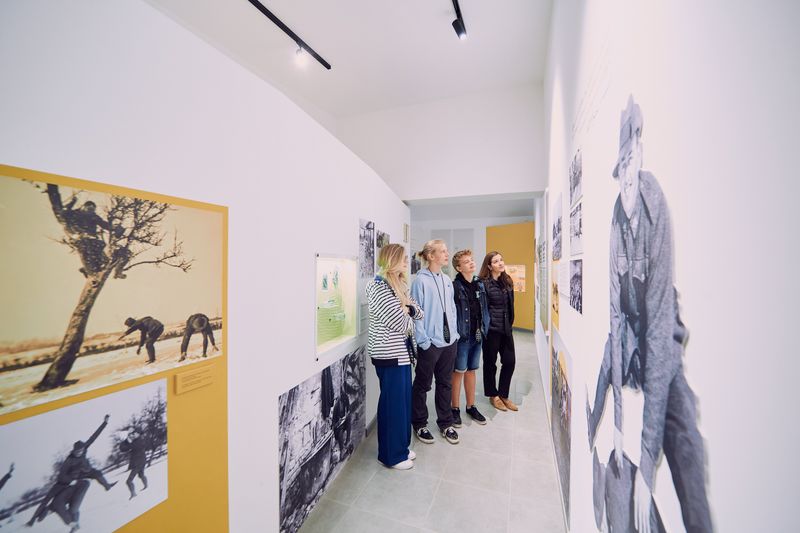
Le centre d'interprétation offre aux visiteurs une expérience insolite au travers des récits de soldats venus par milliers fouler le souterrain. Des témoignages aussi passionnants qu’émouvants qui proposent une approche inédite et vivante de la Grande Guerre.
Après sa redécouverte en 1889, la Cité souterraine devient une curiosité locale très prisée, notamment durant la Première Guerre Mondiale. De nombreux soldats alliés au repos découvriront le site et y laisseront leurs traces.
Récemment mis en lumière (2014) par les recherches de l’archéologue Gilles Prilaux, ce ne sont pas moins de 3200 graffitis datant de la Grande Guerre qui ont été répertoriés dans les galeries, faisant ainsi du lieu la plus vaste concentration de graffitis Grande Guerre connue à ce jour.
Les recherches archéologiques ont permis d’identifier ces graffitis et d’y associer des noms, des visages et parfois même leurs descendants.
Le centre d'interprétation offre aux visiteurs une expérience insolite au travers des récits de soldats venus par milliers fouler le souterrain. Des témoignages aussi passionnants qu’émouvants qui proposent une approche inédite et vivante de la Grande Guerre. Une occasion de découvrir les visages qui se cachent derrière ces traces fragiles laissées au crayon de bois sur une roche calcaire il y a plus d’un siècle.
Opening time
Wednesday to Sunday, from 10am to 5pm